
What to eat in Yogyakarta without overpaying
Gudeg at 15,000–25,000 IDR (1–1.60 USD), sate klatak 20,000–35,000, nasi goreng 10,000–20,000. Three dishes and one warung rule.
4 min read
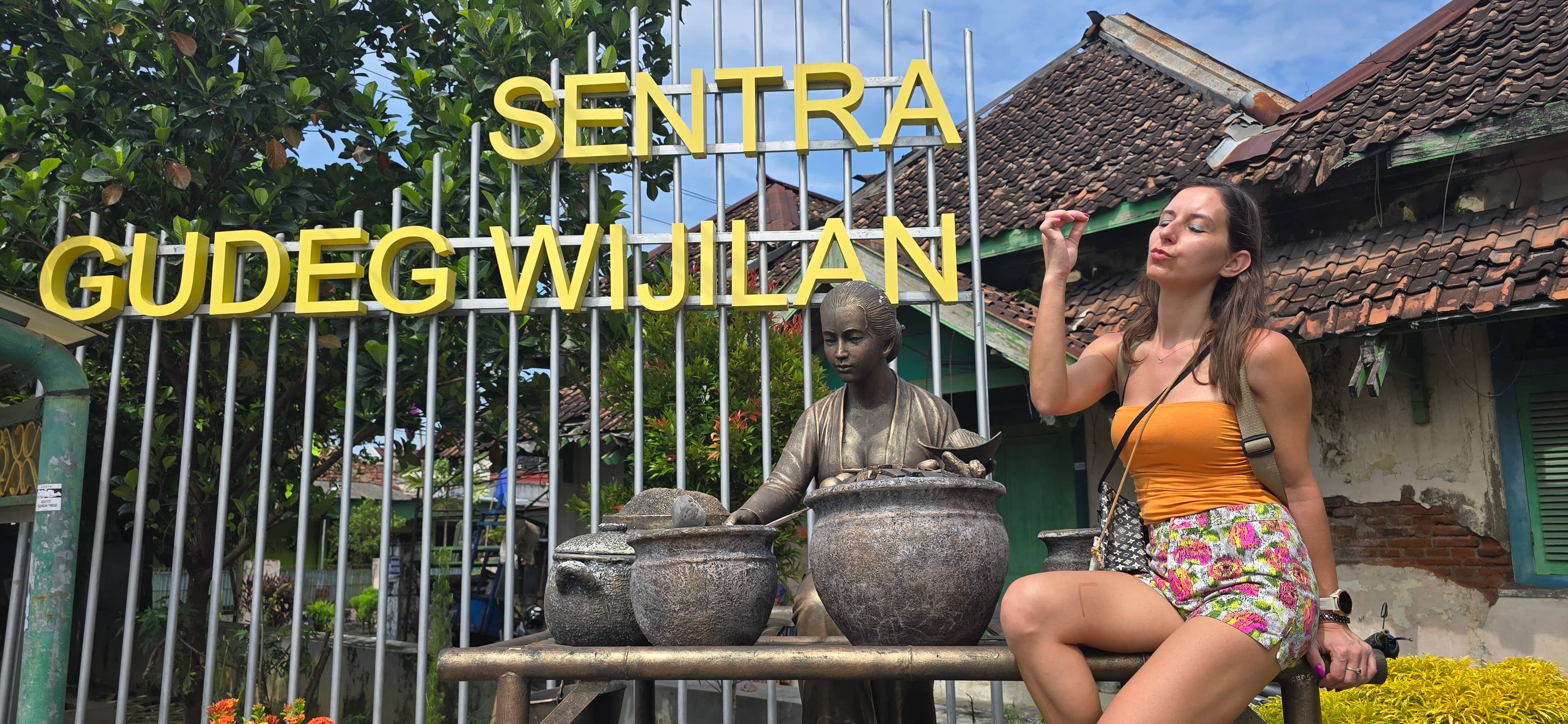
Gudeg runs 15,000–25,000 IDR (about 1–1.60 USD) in Yogyakarta, sate klatak 20,000–35,000, and nasi goreng 10,000–20,000. Yogyakarta is the food capital of Java. People come here to eat, and when you run out of temples, walk into the nearest warung and you still won't leave disappointed. Here are three dishes to start with. The full five are in the free plan.
Prices for the three dishes to start with
| Dish | Price (IDR) | Price (USD) | Where |
|---|---|---|---|
| Gudeg | 15,000–25,000 | ~1–1.60 | Gudeg Yu Djum, Yogyakarta |
| Sate klatak | 20,000–35,000 | ~1.25–2.20 | local warungs |
| Nasi goreng | 10,000–20,000 | ~0.60–1.25 | all of Java |
Gudeg — Yogya's signature dish
Young jackfruit cooked for hours in coconut milk with palm sugar. Sweet, creamy, served with rice, a hard-boiled egg, and a piece of chicken in sauce. 15,000–25,000 IDR (~1–1.60 USD).
Eat it here, because it never tastes the same anywhere else — this is a dish tied to one city. A tested address: Gudeg Yu Djum.
Sate klatak — skewers for the locals
Goat meat grilled on metal bicycle-spoke skewers. This is how the Yogyakarta tourism authority describes sate klathak; check the accompaniments on the menu you are ordering from. Serious amounts of meat for almost no money: 20,000–35,000 IDR (~1.25–2.20 USD).
This isn't a dish for tourists. It's a dish for people who know where to go, which is exactly why it's worth following them.
Nasi goreng — fried rice at the source
Fried rice with kecap manis, a fried egg, krupuk, and sambal. 10,000–20,000 IDR (~0.60–1.25 USD). Nasi goreng comes from Java — and that's exactly why it tastes different here than anywhere else. Order it for breakfast, lunch, and dinner with no guilt. Getting the basics right on this dish is one reason it pays to plan Java properly first.
One rule that never fails
If a warung at noon has a crowd of locals, go in. If it's empty and has an English menu, walk out and keep looking. The best food in Yogya has no address on Google Maps. It has the address "that stall under the tree next to the post office".
Choose factory-sealed drinks and avoid ice when you do not know the water source. A busy warung does not establish water quality. We checked the CDC food and water advice for travellers on 18 October 2026. Sambal can be hot; say "tidak pedas" if you want the mild version.
The full five are in the plan
Bakpia Pathok and Solo-style nasi liwet, Padang style (you sit, they bring 10–15 small plates, you pay only for what you ate), and the rest of the warung rules — in the free 5-day Java plan. That's also where the full route with times and the daily budget in IDR and USD live.
Food is one side of Yogyakarta — the other is the price traps. Before you go, read 5 mistakes on Java that cost you. And the full island-wide food chapter, with prices and names, is in the Java PDF guide.
Eating between JAFF 2026 screenings
Jogja-NETPAC Asian Film Festival has announced its 2026 edition for 28 November–5 December. If cinema is part of your trip, read JAFF 2026 in Yogyakarta: dates and planning and leave room for a meal between screenings. Dates checked on 15 October 2026; this update does not revalidate the food prices in the older article above.
Fit meals around the city
Leave room for meals between the palace, Taman Sari and a Malioboro walk. Our 2–3 day Yogyakarta itinerary gives you the order, a map and separate temple days. The 18 October 2026 correction covers sate klatak and water safety; the food prices above have not been reverified.
FAQ
What should I eat in Yogyakarta?
Start with gudeg (young jackfruit in coconut milk), sate klatak (goat meat on metal skewers), and nasi goreng. The full five also include bakpia pathok and Solo-style nasi liwet.
How much does gudeg cost in Yogyakarta?
Gudeg costs 15,000–25,000 IDR (about 1–1.60 USD) for a serving with rice, egg, and a piece of chicken. A tested address is Gudeg Yu Djum.
Is tap water safe to drink in Yogyakarta?
Do not assume tap water or ice is safe. Choose factory-sealed drinks and avoid ice when the water source is unknown. A busy warung does not establish water quality.
How do I spot a good warung in Indonesia?
If it has a crowd of locals at noon, go in. If it's empty and has an English menu, keep looking. The best food in Yogya has no address on Google Maps.